
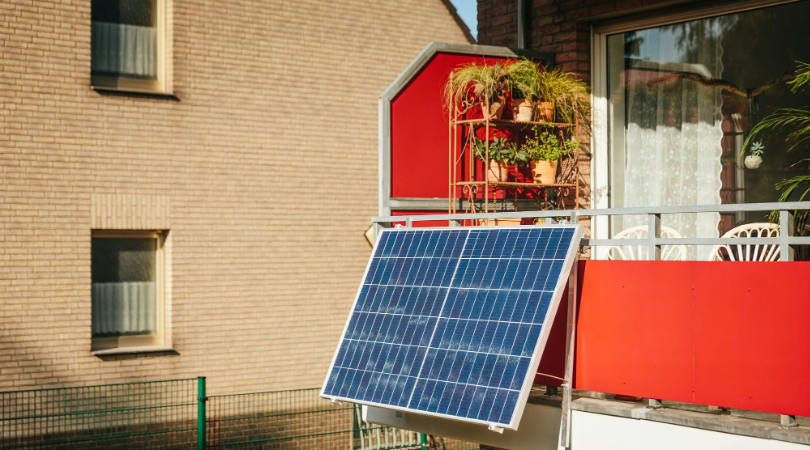
Following a major regulatory shift under SI 2026/848 and BS 7671 Amendment 4, plug-and-play solar systems are completely legal to buy and self-install, as of August 27, 2026. Before this date, feeding electricity back into a standard household socket was (i) a legal ‘grey’ area and (ii) violated standard UK wiring rules.
Yes, plug-in solar panels are safe to use in your UK home, provided you use an officially certified kit and follow the statutory safety guidelines.
To ensure a safe installation that protects your household and complies with the law, you must complete several crucial checks and steps before plugging the kit in:
Pre-Purchase & Certification Checks
Verify ENA Registration:
Before buying, ensure the kit is officially listed on the Energy Networks Association (ENA) G98 Type Test Register. Also NEVER mix and match panels and inverters from separate suppliers; they must be certified together as a SINGLE, COMPLIANT PACKAGE.
Check the Safety Marks:
The kit must explicitly feature a UKCA or CE mark, confirming it meets the government's strict Interim Product Specification v2.
Confirm Anti-Islanding Protection:
This is extremely important, from a personal safety perspective. Ensure the kit has built-in anti-islanding technology. This safety feature acts as an immediate shut-off switch, ensuring that if you pull the plug out of the wall, the exposed metal pins instantly stop carrying electricity so you do not receive an electric shock.
Also, the kit must have a factory-fitted, non-rewirable moulded UK plug that is fitted with a fuse rating that does not exceed 5A.
Obey the 800W System Limit:
The legal capacity limit for self-installed plug-in kits is 800W of AC inverter output, and total panel capacity must not exceed 2,000W across a maximum total of four panels, with no more than two in series.
This restriction prevents the solar energy from overheating or overloading the home's existing domestic ring main. Therefore:
- Permitted: one compliant plug-in solar product with an inverter limited to 800W AC output.
- NOT permitted: two or more such products, even if plugged into separate sockets or separate household ring circuits.
Home & Circuit Preparation
Audit Your Property Electrics:
The Institution of Engineering and Technology (IET) strongly recommends getting an Electrical Installation Condition Report (EICR) from a qualified electrician if the home has older or modified wiring. A faulty circuit cannot safely manage reverse power flow.
Ban Extension Leads and Adaptors:
The solar kit, that is going to be used, MUST plug directly into a standard, healthy wall socket. Never use household extension cords, multi-way adapters, or plug-in RCDs. Standard extension leads are designed only to deliver power, not receive it, creating a severe fire hazard if used with solar.
Avoid Modifying Factory Cables:
You MUST NOT cut, splice, or extend the cable supplied in the box. The length, provided by the manufacturer, dictates exactly how far the panels can sit from the chosen wall socket.
Confirm Property and Mount Safety:
If renting or living in a leasehold or Listed Building, check the lease or local authority rules before mounting anything to balconies or external walls. If you are unsure about the structural strength of a balcony rail, ground-mounting the panels in a garden using a secure frame is the safest approach.
If you pay for the home’s building insurance cover it is sensible to contact that insurer and ask for written confirmation that:
- the panels, inverter, mounting equipment, and cabling are covered;
- installation and accidental damage are covered;
- theft, storm, fire, and weather damage are covered;
- adding the system will not invalidate or change one's policy;
- any installation requirements are satisfied; such as an approved installer, electrical certification, roof inspection, or specific mounting method.
- Even though plug-in systems are relatively small, they can introduce risks involving overheating, fire, water ingress, wind damage, and electrical faults. An insurer may treat roof-mounted equipment as a building alteration, while portable or balcony-mounted equipment may be treated differently.
Also check:
- Planning or building regulations: depending on size, location, and mounting method.
- The installer’s insurance and certification: if someone else is installing it the plug-in solar equipment.
Do not rely solely on a general statement that “solar panels are covered.” Ask specifically about a plug-in/grid-connected solar system and describe exactly where it will be installed and how it will connect. Keep the insurer’s response, product documentation, invoice, and any certificates.
Post-Installation Obligations
Notify Your DNO within 28 Days:
Even though you do not need an electrician to set it up, you are legally required to file a G98 notification form with the local Distribution Network Operator (DNO); the company that manages the grid infrastructure in your region. This process is entirely free, takes about 15 minutes online, and cannot be rejected. We also have an information page for finding your DNO.
Important Legal Disclaimer
1. Informational Purpose Only
The information provided on this webpage—including details regarding plug-and-play solar systems, statutory safety guidelines, legal regulations such as SI 2026/848 and BS 7671 Amendment 4, and installation procedures—is provided solely for general educational and informational purposes. It does not constitute professional electrical, engineering, structural, legal, or financial advice.
2. No Professional Relationship or Guarantee
Reading or relying on the information on this website does not create a professional advisor-client relationship. While we strive to present accurate guidance regarding product certification (such as ENA G98 listing, UKCA/CE marks, and anti-islanding requirements), system limits, and property preparation, we make no representations or warranties of any kind regarding the completeness, accuracy, reliability, or safety of the content for your specific circumstances.
3. User Responsibility & Liability
Self-installing electrical equipment, including grid-connected plug-in solar kits, carries inherent risks such as electrical shock, fire hazards, overheating, and property damage. By using this information, you acknowledge and agree that:
- Professional Inspection: You are responsible for ensuring your home's wiring is safe, including obtaining an Electrical Installation Condition Report (EICR) from a qualified electrician if necessary.
- Compliance & Approvals: You are strictly responsible for verifying compliance with local planning permission, building regulations, leasehold agreements, Listed Building rules, and DNO notification requirements.
- Insurance Verification: You must independently verify your coverage directly with your building or home insurer prior to installation.
- Limitation of Liability: The owners, authors, and publishers of this website assume no liability or responsibility for any personal injury, electrical failure, property loss, legal penalties, or insurance claim denials resulting from the use or misuse of the information provided herein.
Always consult with a qualified electrician, standard regulatory bodies, and your home insurance provider before carrying out any electrical modifications or installations.
